

“Came to GTMLab for predictability over unreliable growth. They delivered in a quarter: revenue +27%, CPC -50%, bookings +20%. Highly recommend for anyone looking to grow and scale.”


We run the ads, the booking journeys, the WhatsApp replies and the tracking for tour operators and attractions, with campaigns built for each source market and booking window.
30 minutes with a senior strategist. No commitment.
200+
brands served
$20M+
ad spend operated
Our team’s track record


and 180+ more brands
Meet our clientsEvery figure comes from a client’s own booking and revenue data. The case studies below show how each one was reached.
30%+ Direct Revenue in 30 Days: How a Global, Award-Winning Luxury Yacht Operator Cut OTA Dependence

15 Qualified Meetings at 7–8× ROI: A B2B Pipeline Built in Under 30 Days
From 8× to 20×+ ROAS: How a Luxury Yacht Operator Rebuilt Acquisition and Unlocked 78% of Purchases Through Retargeting
A New Creative System Helped a Bali Luxury Yacht Operator Triple CTR and Hit 4x ROAS
Travellers decide fast and compare everywhere. Every gap between the ad and the booking is a chance for an aggregator, or the next operator, to take it.
Travellers from Australia, India, Indonesia and Europe plan on different platforms, in different languages and on different timelines, yet they’re often sold one campaign.
A campaign per source market, with its own language, platform and timing.
Performance MarketingKlook, Viator and GetYourGuide bid on your name and take a commission on travellers who were already looking for you.
Your name defended in search, and a direct booking flow that gives travellers a reason to book with you.
Landing Pages & FunnelsProspecting gets the budget while the people who already viewed a tour, or picked a date, never see you again.
Retargeting by tour and date, so the people closest to booking hear from you first. For Bluuu, 78% of paid-social purchases came from it.
Meta AdsTravellers ask about pickup, weather or a private boat on WhatsApp, and a slow reply sends them to the next operator.
Instant WhatsApp answers in their language, with a booking link and a hand-off to your team for anything unusual.
AI Sales & Support AgentsHow one page for every buyer became a journey per offer, step by step, on the Bluuu funnel we rebuilt.
 Its own scriptIts own scriptIts own scriptOne WhatsApp flow, tracked
Most operators split this across an ad agency, a booking platform and whoever is free to answer WhatsApp. We run it as one system, so every booking is traced to the ad that started it.
Campaigns per source market and booking window, from trip planners to travellers already in the destination.
Get named when travellers ask ChatGPT or Google what to do, and show up on Maps where they’re staying.
A booking journey per tour and buyer, tested until more visits become direct bookings.
Every direct booking traced to its ad, and repeat travellers brought back without an aggregator.
Real testimonials from the tour operators and attractions we work with.
“Came to GTMLab for predictability over unreliable growth. They delivered in a quarter: revenue +27%, CPC -50%, bookings +20%. Highly recommend for anyone looking to grow and scale.”
“Our pipeline used to live in our sales team's relationship, so every time one left, part of it left too. GTMLab built us a system that solves this, and now the leads just keep coming.”
“From the start, GTMLab focused on understanding our problem and even went the extra mile with their strategy. In a niche, zero-to-one market like ours, they brought us our very first client.”
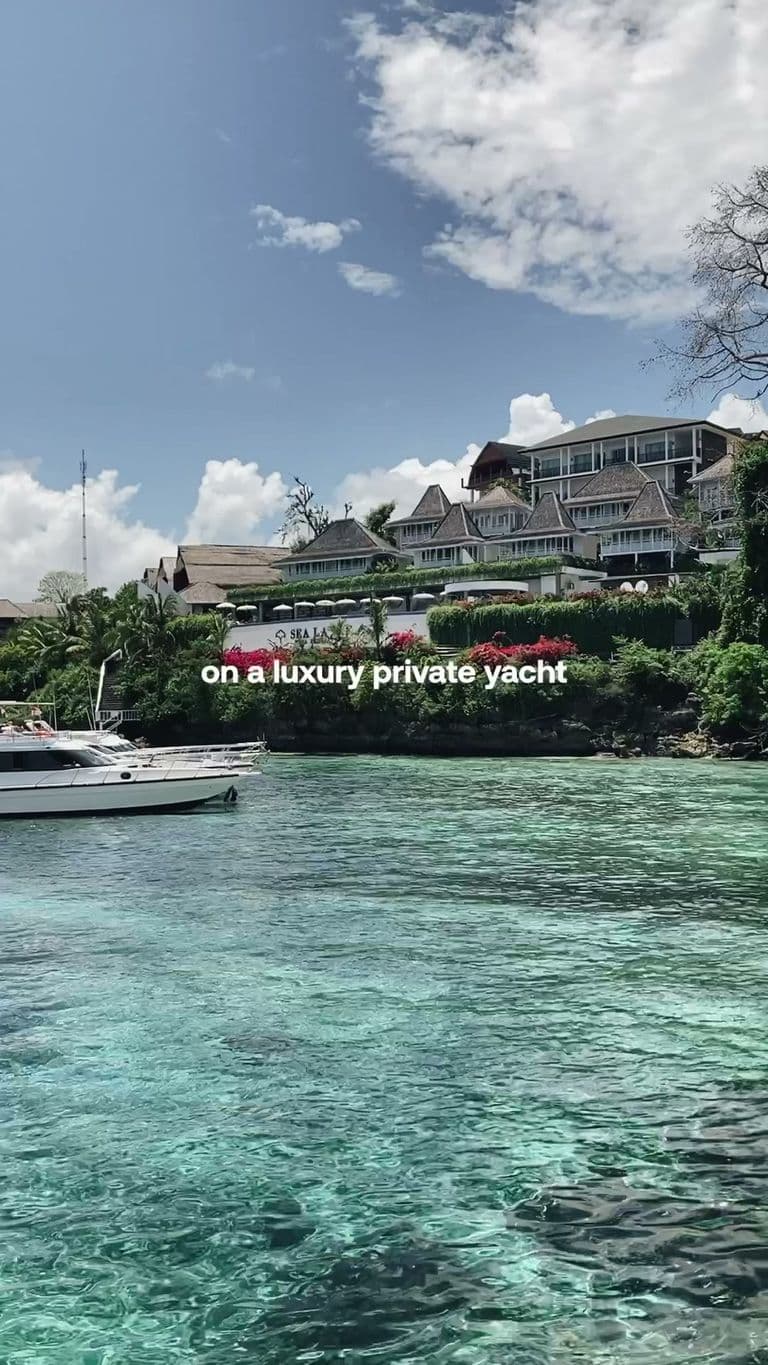
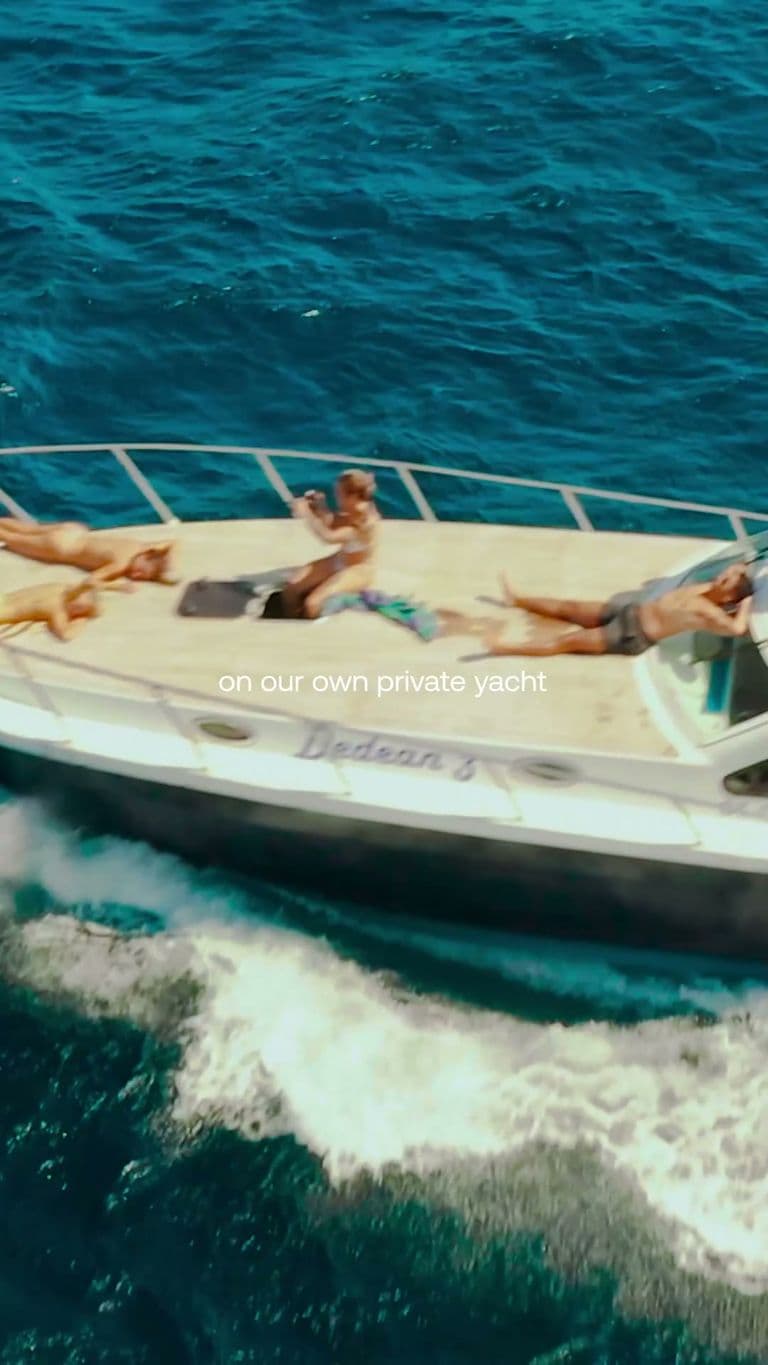
UGC, cinematic videos and statics we’ve made for tourism clients, each judged on the bookings it brought in.
-poster-768x1365.jpg&w=3840&q=75&dpl=dpl_DVTdncfo74WNC3rzyzxTosoXe8ck)
Articles from the team on direct bookings, source markets and seasonality.

I never meant to start an agency. I’d hired enough that underdelivered. Then founder friends asked for help, and the referrals didn’t stop. Two years later, 100+ specialists, $0 outside funding. Here’s why.

A Malaysian furniture brand spent 18 months on a campaign treadmill at $12K/mo — break-even at best. One pattern analysis later: CAC dropped 42% and they scaled to $28K/mo without it climbing back.

CAC climbing. Creative that worked last quarter doesn't anymore. Before you hire help, run this six-element audit yourself — you'll know whether creative is actually your bottleneck or whether the problem lives elsewhere.
Yes, that’s much of the work. We rebuild the direct booking flow so it’s at least as easy as the aggregator’s, defend your name in search, and give travellers a reason to book direct. The aggregators can stay as a channel; they just stop being the default.
Each major source market gets its own campaigns: creative in the language they decide in, the platforms they actually use, prices in their currency where it helps, and timing that matches how far ahead they book. One English campaign for every traveller is usually where conversion leaks.
By booking window, not by calendar month. Some travellers book weeks ahead and others decide on the day, so spend is split between reaching people before they travel and catching those already in the destination, and shifted toward the dates that still have space.
Yes. A tour operator sells a specific experience, so success is a booking. Attractions often sell to groups and businesses too, and destination marketing sells awareness first, so the measures differ. Same channels, different goals and reporting, and we agree on which before we start.
On one call we look at your ads, your booking flow and your channel mix, and show you how much of your revenue could come direct.
We learn how travellers find you, how much books through aggregators and how bookings are tracked today.
If we’re a fit, we get read-only access to your ads, analytics and CRM, and find what’s really going wrong.
We walk you through the diagnosis and the engine we’d build to fix it, with what each part costs.


