Part of the Megabuild Indonesia series · one client, two lenses
This is the Overview. On Megabuild Indonesia comes apart into two deep-dives — same client, two disciplines, readable in any order: Gtm and Growth and Performance Marketing.
Megabuild Indonesia had the reputation, the exhibitor list, and 22 editions of history behind it — one of the country's largest building-materials and architecture trade expos, co-located with a ceramics show and a property show at NICE PIK2 in Jakarta. What it didn't have was time. With roughly 2.5 weeks to opening and only about 200 pre-registrations against target, the show was a proven platform sitting on almost no pipeline.
What came next wasn't a pitch process. It was one call— because the trust was already built. GTMLab had just delivered a debut F&B expo for the same organiser, so when the flagship show needed rescuing, there was no time to spend proving competence. Three tracks launched in parallel from Day 1: a dual-audience Meta acquisition engine, an SDR-driven B2B matchmaking programme, and 4-day on-ground coverage.
Meet Megabuild Indonesia.
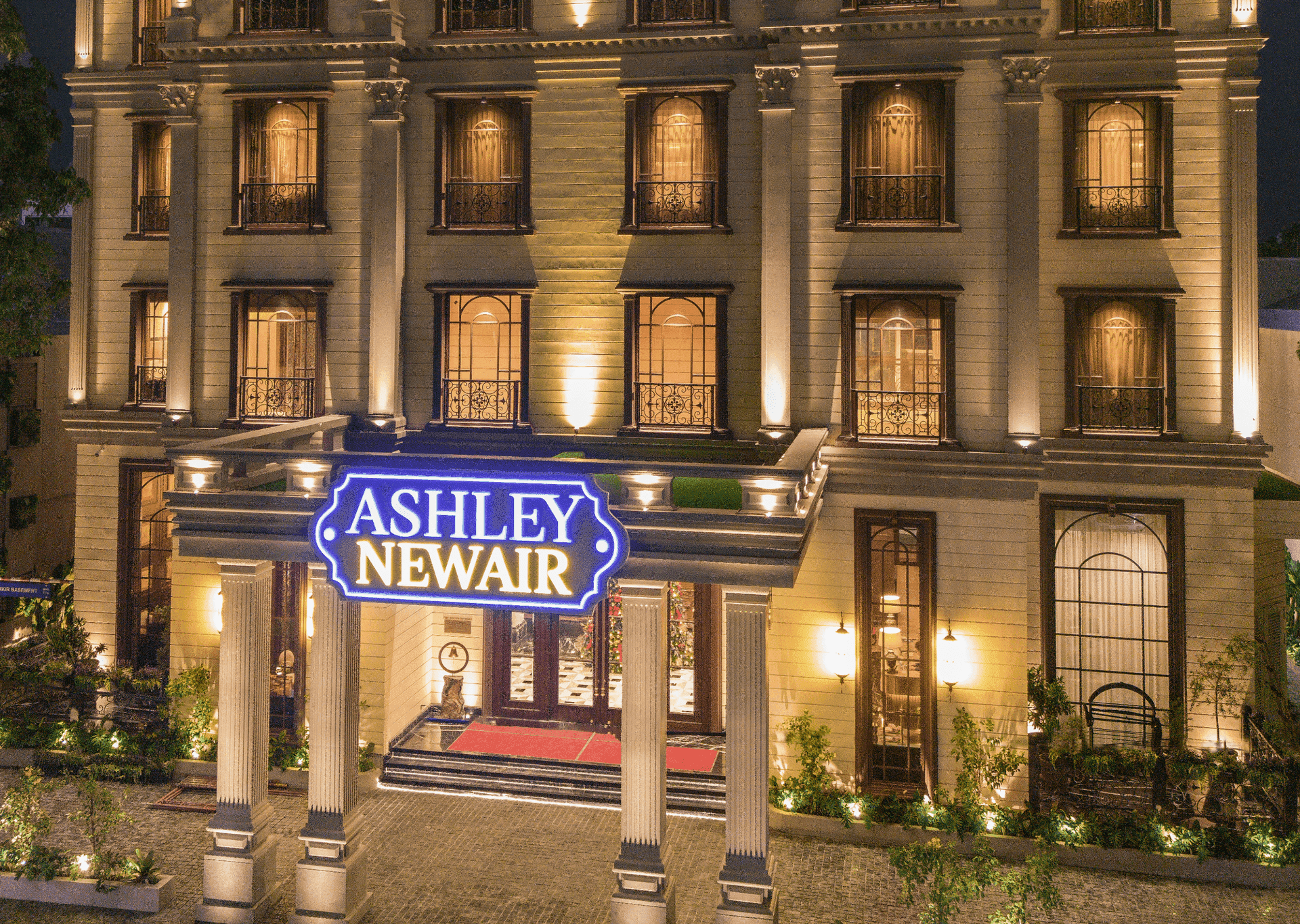
Megabuild Indonesia holds a category-defining position across Indonesian building materials, interior design, architecture and construction — a trade platform where the industry meets to source, specify and buy. This 22nd edition ran co-located with a ceramics show and a property show at NICE PIK2, Jakarta, pulling a wide professional and consumer audience under one roof over four days.
None of that was in question. The platform was proven, the brand was established, and the exhibitor floor was already sold. The only missing input was runway — the show simply didn't have the weeks it would normally take to build a registration pool that matched its size.
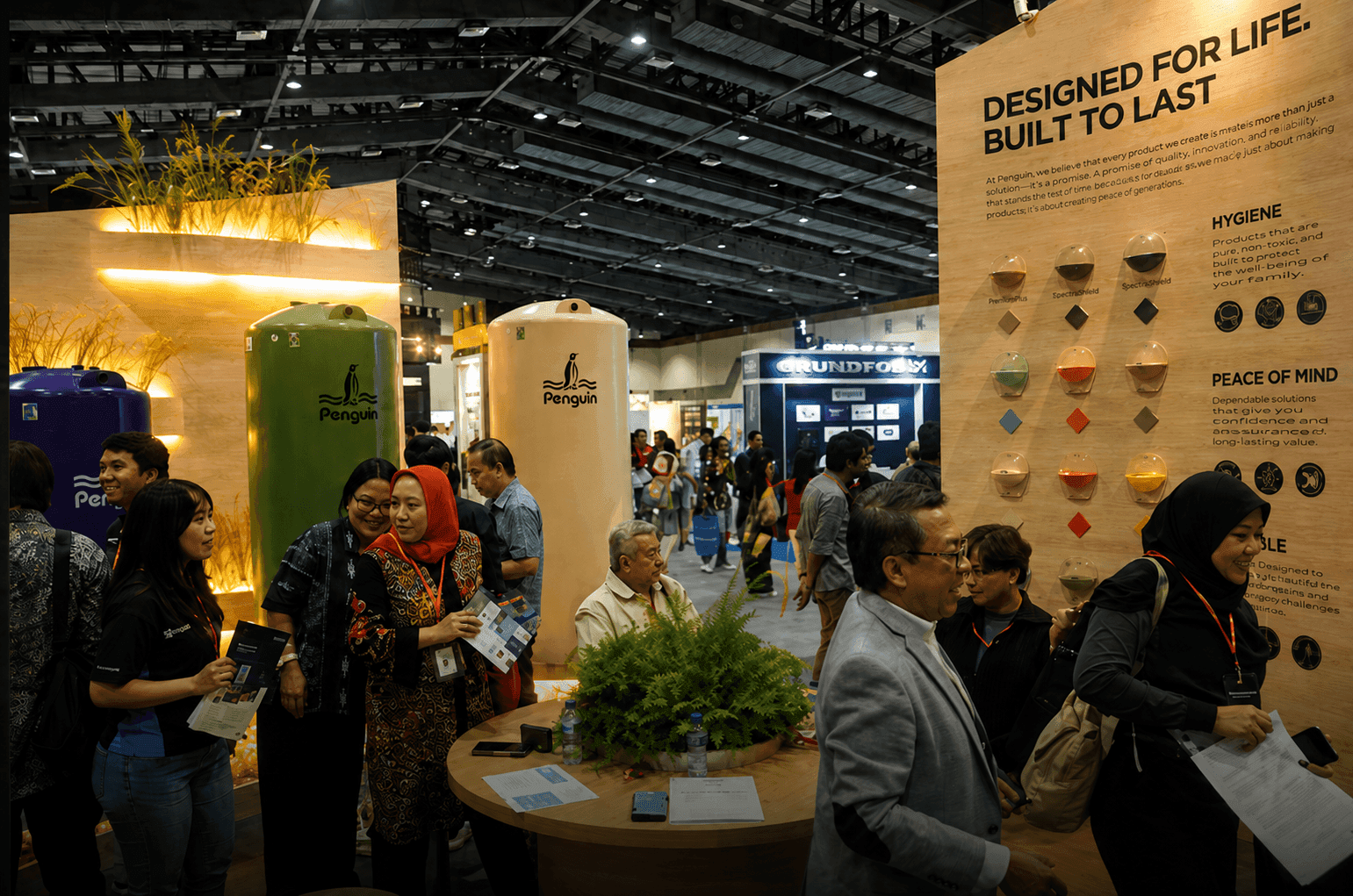
On-ground at Megabuild Indonesia · NICE PIK2, Jakarta.
A proven expo, 2.5 weeks out, almost no pre-registration pool.
The compression was the whole problem. With opening 2.5 weeks away and only ~200 pre-registrations on the books, several constraints had to be solved at once — there was no room to sequence them:
- A 2.5-week runway, with no time to hire or test. Everything had to launch on Day 1 and work on the first attempt. No hiring runway, no testing window, no second pass — the plan had to be right the first time and correct in flight.
- A ~74× gap between pipeline and target. Roughly 200 pre-registrations against a target that dwarfed it — the pool had to grow by orders of magnitude in under three weeks, not incrementally.
- A dual B2B and B2C audience. The floor served trade buyers — architects and specifiers, contractors and builders — and homeowners at the same time. One generic campaign would speak to none of them; each segment needed its own message.
- Same-day registration behaviour. A large share of this audience decides to attend at the last minute — or at the door. The engine had to keep converting right through the event, not just before it.
- Inherited creative that didn't convert. The existing assets weren't built for a paid acquisition sprint. They had to be replaced with segment-specific, native-first creative fast enough to still buy media against them.
Results — a filled expo in 2.5 weeks.
Six numbers from a 2.5-week sprint — relative shifts and raw counts, no spend and no budget figures, just what the three tracks produced.
Honest read: attribution never fully resolves on a show like this — the pixel-direct floor and the Meta-influenced ceiling bracket a range, not a single number. And roughly two-thirds of registrations came in during the event itself, which means the on-ground floor team was structurally an acquisition team, not just coverage — a big share of the fill happened at the door, not before it.
The rest of the Megabuild Indonesia engagement.
Megabuild Indonesia was one client engagement built across three connected disciplines. This is the Overview — continue into any deep-dive below:
- GTM & Growth — sharpened the go-to-market strategy, audience structure, and demand-generation roadmap so the event could speak more clearly to the right buyers, exhibitors, and visitors.
- Performance Marketing — translated the strategy into a performance media system, improving how campaigns captured attention, qualified intent, and moved people toward registration or inquiry.
A flagship expo got filled in 2.5 weeks by running three tracks in parallel from Day 1 — and the next pipeline was already won before the doors closed.
110% of the attendee target, 5K+ matchmaking opt-ins, and creative far cheaper than what it replaced — delivered against a runway that should have been too short. The only reason it worked was trust built on the previous show. This is how GTMLab partnerships work: we build the engine, staff the floor, and hand back a playbook that runs again next edition.
Book a strategy call →