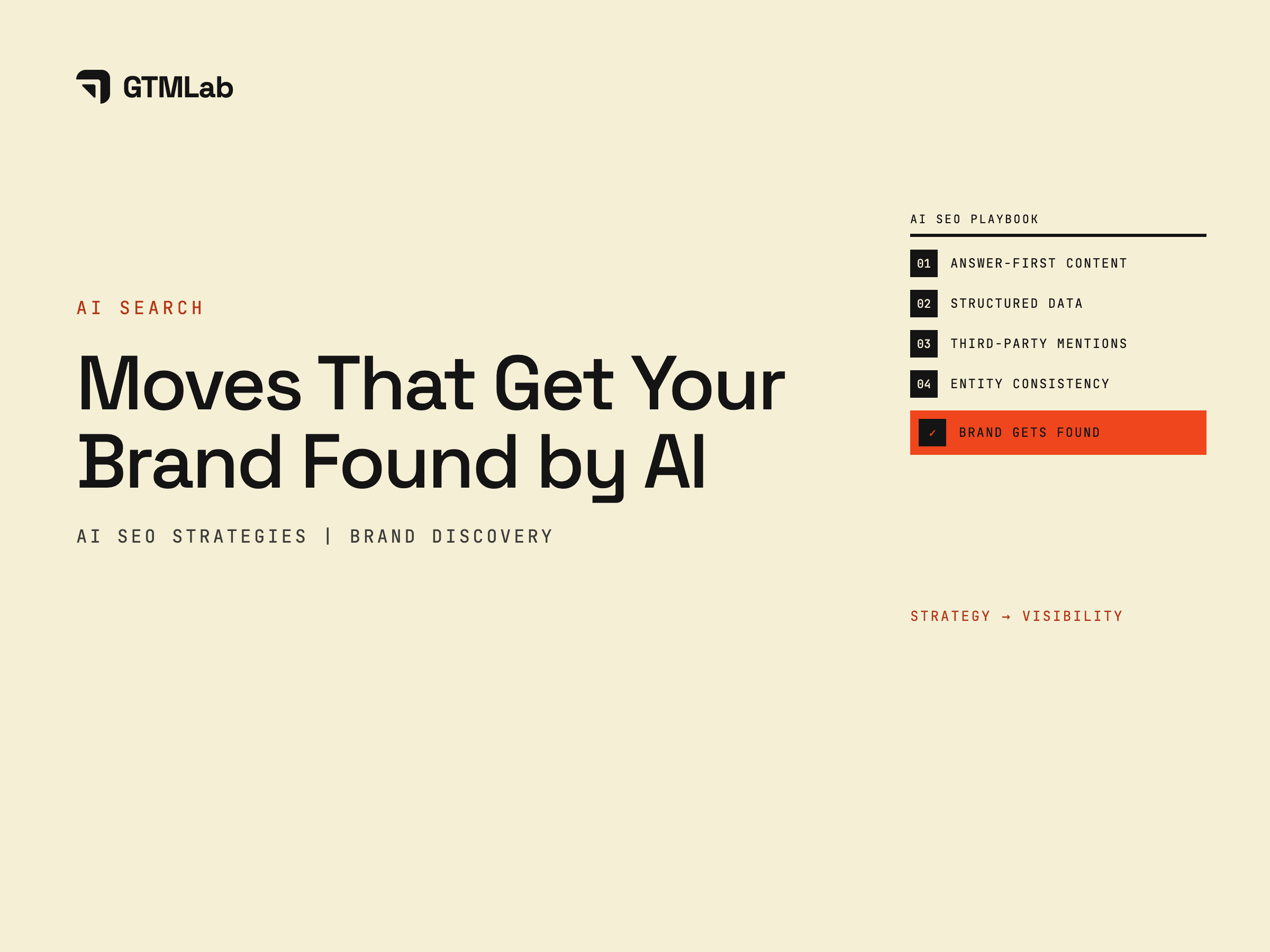
The incorporation of AI in our daily lives has grown tremendously. More and more people search for information and solutions to daily problems through generative AI, especially with its easy accessibility and efficiency. Instead of browsing through multiple websites, users can now ask AI platforms for direct answers and even get carefully evaluated recommendations. This shift is important for you and your business to take notice as visibility now depends on more than just publishing content with AI.
AI SEO focuses on improving how brands appear across traditional search engines and AI-powered search platforms. You can improve your chances of being discovered when potential customers search for relevant solutions by combining SEO fundamentals with an effective AI strategy.
What is AI SEO?
AI SEO is the practice of using artificial intelligence to improve search visibility across traditional search engines and AI-powered platforms. It includes analyzing search intent, optimizing content, identifying content gaps, and tracking brand visibility in AI-generated answers.
This practice also extends beyond traditional search engine results. As users increasingly rely on generative AI to answer questions and evaluate potential solutions, you need to consider whether your content can be discovered, understood, and referenced by these systems.
The goal is to make the brand more easily discovered throughout the search journey, whether it be through users clicking through a list of search results or receiving recommendations from an AI assistant.
What is LLM SEO?
LLM SEO (Large Language Model SEO) focuses on improving how brands are discovered, understood, and mentioned in responses generated by large language models, including those powering ChatGPT and other AI search tools.
Different from SEO, which emphasizes search rankings and organic traffic, LLM SEO also considers brand mentions and citations in AI-generated answers. In this sense, you can develop your LLM SEO efforts through the following practices.
Clear and Relevant Content
Answer users' questions directly and organize information with descriptive headings. Clear, well-structured content helps search systems understand the subject and identify relevant information.
Build Topical Authority
Cover important topics comprehensively through related articles, guides, and supporting resources. Consistent coverage helps demonstrate subject-matter expertise and provides context about your brand’s industry.
Establish Credibility
Support claims with reliable sources, original insights and accurate information. Demonstrating expertise and maintaining factual consistency can strengthen our brand's credibility across search experiences.
Maintain Consistent Brand Information
Ensure your company’s name, product details, services, and descriptions are accurate across your website and relevant third-party platforms. Consistent information helps reduce confusion about your brand.
Improve Website Accessibility
Make important pages accessible to search crawlers and ensure your website has a clear structure. Review technical SEO elements, internal links, and indexing settings so search systems can discover and process relevant content.
AI SEO Strategy
An effective AI SEO strategy combines SEO practices with optimization for AI-powered search. So, instead of focusing only on keyword ranking, you should also consider how your content answers user questions and supports AI-generated recommendations.
A practical strategy involves five steps:
- Research search intent: Identify the questions, needs, and problems your target audience wants to solve.
- Optimize existing content: Improve clarity, relevance, structure, and factual accuracy.
- Build topical authority: Create interconnected content that covers relevant subjects in depth.
- Strengthen brand credibility: Publish original insights and maintain consistent information across relevant platforms.
- Monitor AI visibility: Track brand mentions, citations, and recommendations across relevant AI search platforms.
Regularly reviewing these efforts helps businesses identify content gaps, adjust their approach, and align their SEO activities with changing search behavior. To know more, you can read more in this page on how AI decides who to name brands and products when delivering answers to its users.
Tools vs Agency
It is important for you to know that AI SEO agencies and tools serve different purposes. With tools, your business would easily analyze data and identify opportunities, while agencies work to provide clear strategic guidance and execution for you.
| Aspect | AI SEO Tools | AI SEO Agency |
|---|---|---|
| Primary purpose | Automate SEO tasks and analyze data | Develop and execute an SEO strategy |
| Keyword research | Identify keywords, search intent, and content gaps | Interpret research and prioritize opportunities |
| Content optimization | Suggest improvement to existing content | Plan, refine, and align content with business goals |
| AI visibility | Track available visibility metrics and brand mentions | Analyze findings and develop optimization strategies |
| Implementation | Requires an internal team to apply recommendations | Can manage strategy and execution |
| Best for | You have an in-house SEO expertise | You are in need for strategic guidance and ongoing support |
If you are looking to turn these AI SEO insights into an actionable strategy, GTMLab can help you to achieve that goal. By combining these AI visibility insights with targeted GEO strategies, the team can contribute by identifying optimization opportunities and strengthen your business’ presence in AI-generated answers.
GTMLab as Your Solution with AI SEO
GTMLab is a suitable solution if your business needs AI SEO to get high ranked on Google and named in several AI responses. To start, you can observe what AI says about your business today by reviewing your AI visibility check on our page.
With our team, you can approach this practice more strategically by identifying optimization opportunities, understanding how their brands appear in AI search, and developing targeted actions to strengthen your brand’s presence.
You can begin by contacting the team for discussing strategies and ways to get your business cited and referenced by AI responses.
Frequently Asked Questions
How long does it take to see results from an AI SEO strategy?
The timeline depends on your website's current SEO performance, content quality, competition, and the AI platforms you target. Improvements in AI visibility may take time, so you should monitor performance regularly and adjust your strategies based on the results.
Does AI SEO require a separate content strategy from traditional SEO?
Not necessarily. Many traditional SEO practices, such as creating helpful content, improving technical accessibility, and demonstrating expertise, also support AI search visibility. However, you may need to adapt your content to answer conversational queries and provide clear, direct information for AI-generated responses.
How can businesses measure the ROI of AI SEO?
You can evaluate AI SEO performance by tracking metrics such as AI-generated brand mentions, citations, referral traffic from AI platforms, qualified leads, and conversions. Comparing these metrics over time can help determine whether AI visibility efforts contribute to broader business objectives.
Is AI SEO relevant for businesses with long sales cycles?
Yes. AI SEO can support your business with long sales cycles by making educational resources, product comparisons, and industry insights discoverable while potential customers research their options. This can help brands build awareness and credibility before buyers are ready to make a decision.


